Johan Malmstedt

Johan Malmstedt

Johan Malmstedt is a researcher in media and communication studies and digital humanities, specialising in audiovisual source analysis and signal processing methods for humanities research. He is a postdoctoral researcher at the Gothenburg Research Infrastructure for Digital Humanities (GRIDH), University of Gothenburg, and metaLAB (at) Harvard. During autumn 2026 he is affiliated with the Sound Studies Lab at the University of Copenhagen.

With a background in the history of ideas and computational methods, he approaches audiovisual media as an object of knowledge, at the conjunction between signal processing and historiography. His interests span sound studies, cultural history, the philosophy of technology, computational analysis, and arts and design, with a focus on large-scale audiovisual archives.

His doctoral dissertation, Sound out of Time: Signal Archaeology of Swedish Public Service Radio, 1980–1999 (Umeå University, 2025), used computational methods to listen to more than 15,000 hours of Swedish public service radio. Introducing an approach he calls signal archaeology, which merges media archaeology with cultural analytics, it traces how the sound of radio changed as Sweden moved from a broadcasting monopoly to a competitive market.

He is acting programme coordinator of the Master’s Programme in Critical Studies at the University of Gothenburg. He teaches History of Technology at Chalmers University of Technology, supervises theses in digital humanities and the history of ideas, and has given guest lectures and open seminars at universities such as the University of Groningen, Harvard University, New York University and Humboldt-Universität zu Berlin.

Ongoing

Audiovisual Aesthetics in Formation

Comparative and Computational Analysis of Transatlantic Television Style, 1970–1989

How did the aesthetics of television come to define the way we perceive audiovisual media today? The project examines the history of crossmodal alignment, the interplay between sound and image, across Swedish and American television between 1970 and 1989.

It explores how sound and image together shaped stylistic conventions in genres such as documentary, children’s programming and drama. Combining variational autoencoders and signal analysis with historical interpretation, it traces how cultural, institutional and technological factors influenced the form of television in two contrasting broadcasting environments.

The project is carried out in collaboration with the American Archive of Public Broadcasting and the Swedish National Archives.
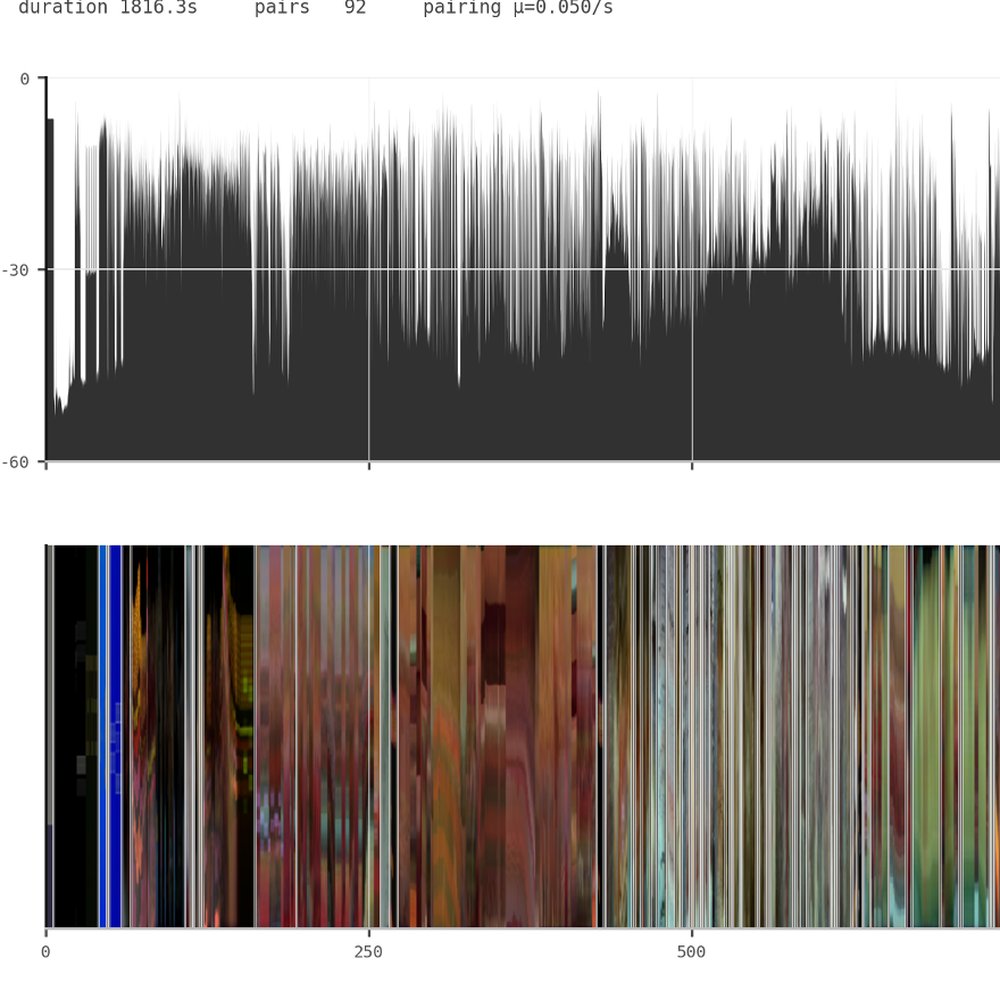
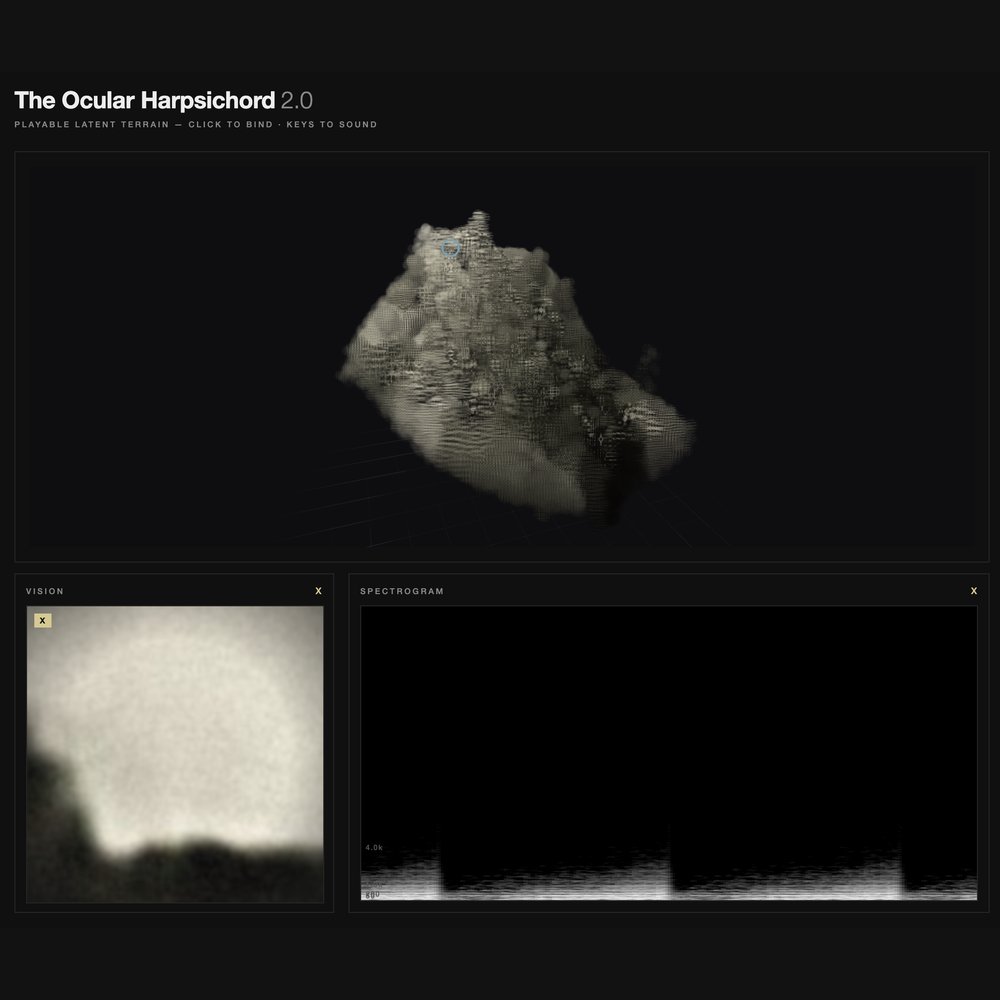
Loudness curve and frame strip of a single broadcast.The Ocular Harpsichord, a playable latent terrain.
Role
Postdoctoral fellow and project leader
Period
2025–2028
Institutions
metaLAB (at) Harvard, GRIDH University of Gothenburg, American Archive of Public Broadcasting, Swedish National Archives
Funding
Swedish Research Council

Lägg ut! Lägg ut!

Terrorismens audiovisuella mediering i svensk television 1968–1987

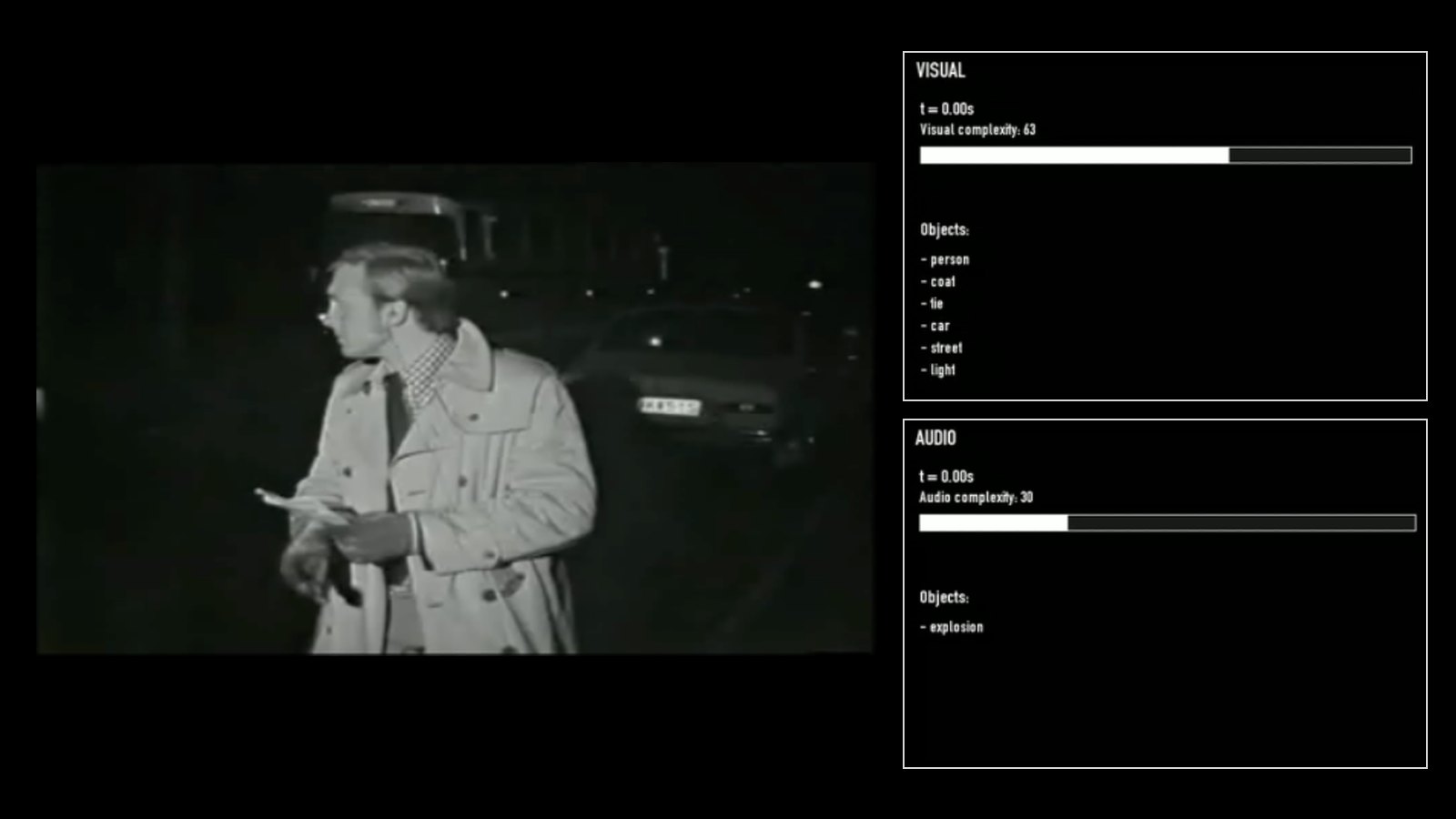
An iconic moment in Swedish television history is the 1975 broadcast from the West German embassy siege in Stockholm. As a bomb explosion rocked the embassy, news reporter Bo Holmström exclaimed “Go live! Go live!” (“Lägg ut! Lägg ut!”).

The project analyses how terrorism was mediated as a national concern in Swedish public service television, from the first broadcasts of Palestinian plane hijackings in 1968 to the end of the television monopoly in 1987. It asks how Swedish television represented, imagined and aesthetically encoded terrorism as an emergent issue in relation to Swedish society.

The work is organised in three branches, Framing, Aestheticising and Minding Terrorism. It combines close readings of key programmes with distant viewing of the digitised television archive at the National Library of Sweden, using speech recognition, image analysis and audio signal processing.

Visual and audio analysis of archival news footage: objects detected in the image and in the sound.
Role
Co-founder and researcher
Period
2026–2029
Team
Daniel Brodén (PI), Mats Fridlund, Johan Malmstedt
Institutions
GRIDH University of Gothenburg, National Library of Sweden
Funding
Swedish Research Council

Arboretum Stories

Mapping Knowledge Ecology in the Arnold Arboretum

The Arnold Arboretum of Harvard University, a 281 acre living museum founded in 1872 in Boston, is understood here as a hybrid site where scientific inquiry, environmental stewardship and interspecies encounters meet.

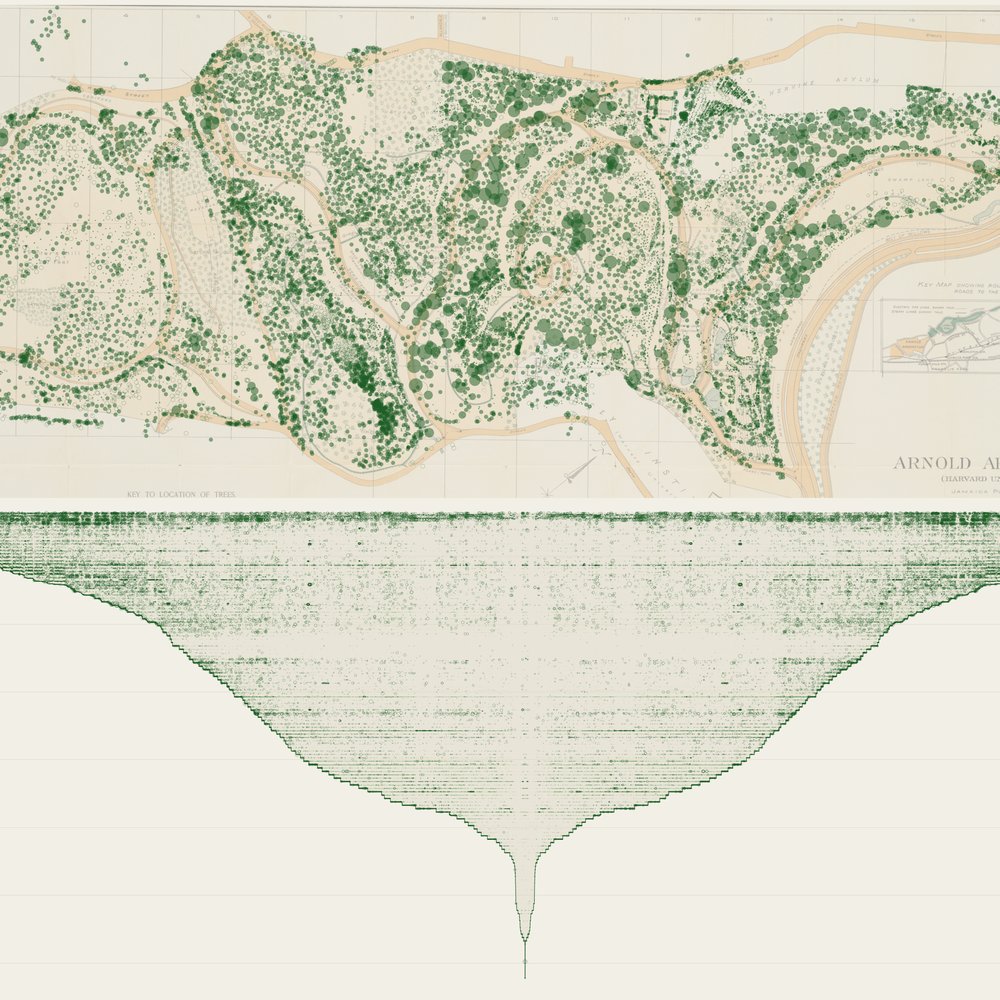
Working from digitised accession ledgers, planting maps and curator notes, the project combines more than a century of curatorial records with computational methods, geospatial mapping and information design. It traces the intertwined histories of plants and the people who cared for them, treating the arboretum as both a living collection and a historical record.

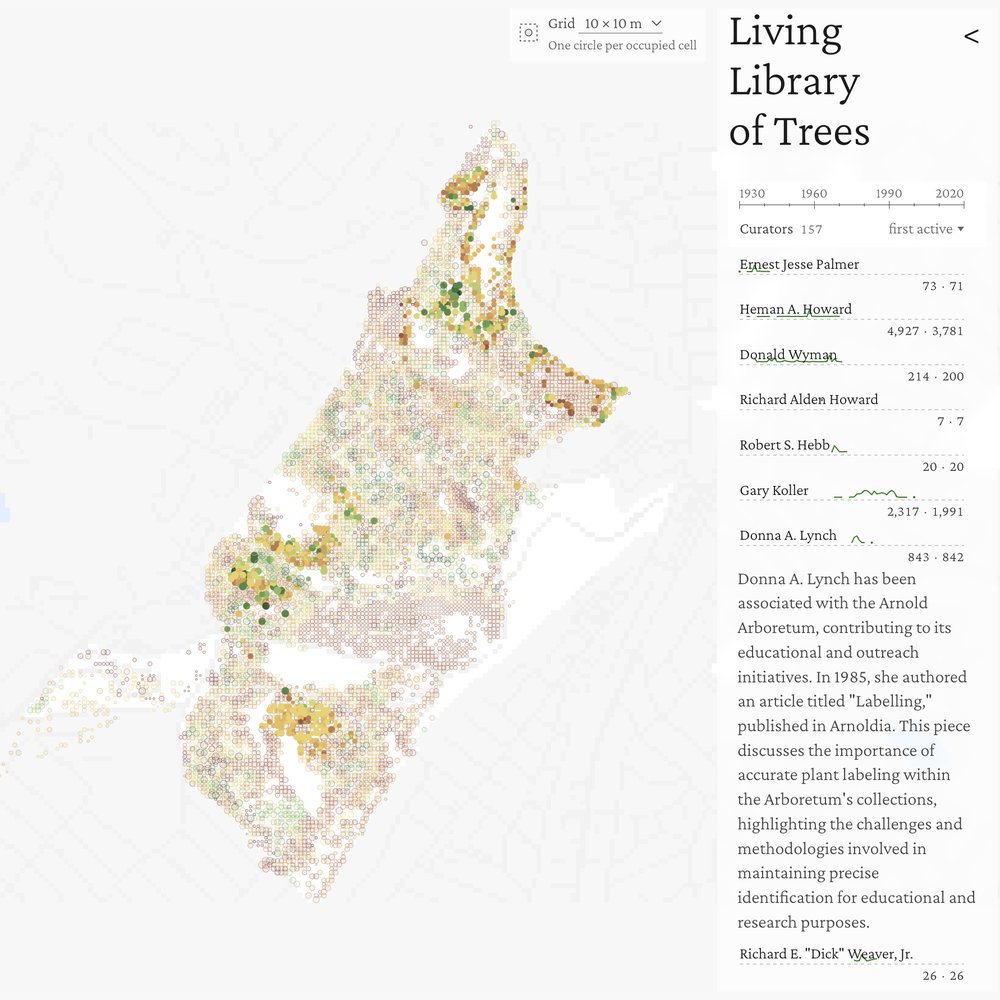
The result, Living Library of Trees, is an interactive map with different entry points for staff, researchers and the public.

Accessioned plants on a historical map of the Arboretum, above a timeline of accessions.Living Library of Trees: curators and their recorded work across the landscape.
Role
Founding member
Period
Since 2024
Team
Johan Malmstedt, Dario Rodighiero, Giacomo Nanni
Institutions
metaLAB (at) Harvard
Funding
Leventhal Map & Education Center, Boston Public Library

Signal archaeology

Media history read from the recorded signal

Signal archaeology is the approach developed in the dissertation Sound out of Time. It reads media history from the recorded signal itself, through silence, loudness, spectra and rhythm, in the Swedish broadcast archives.

The approach has been used to study the stylistic development of Swedish public service radio between 1980 and 1999, and, in The Noise of the News, to trace the sonic profile of early Swedish television news through spectral visualisation of broadcasts from 1958 to 1978.

The work continues in current research on television sound and in teaching, including the open teaching resource Soundscape Data, a critical introduction to the analysis and curation of field recordings.

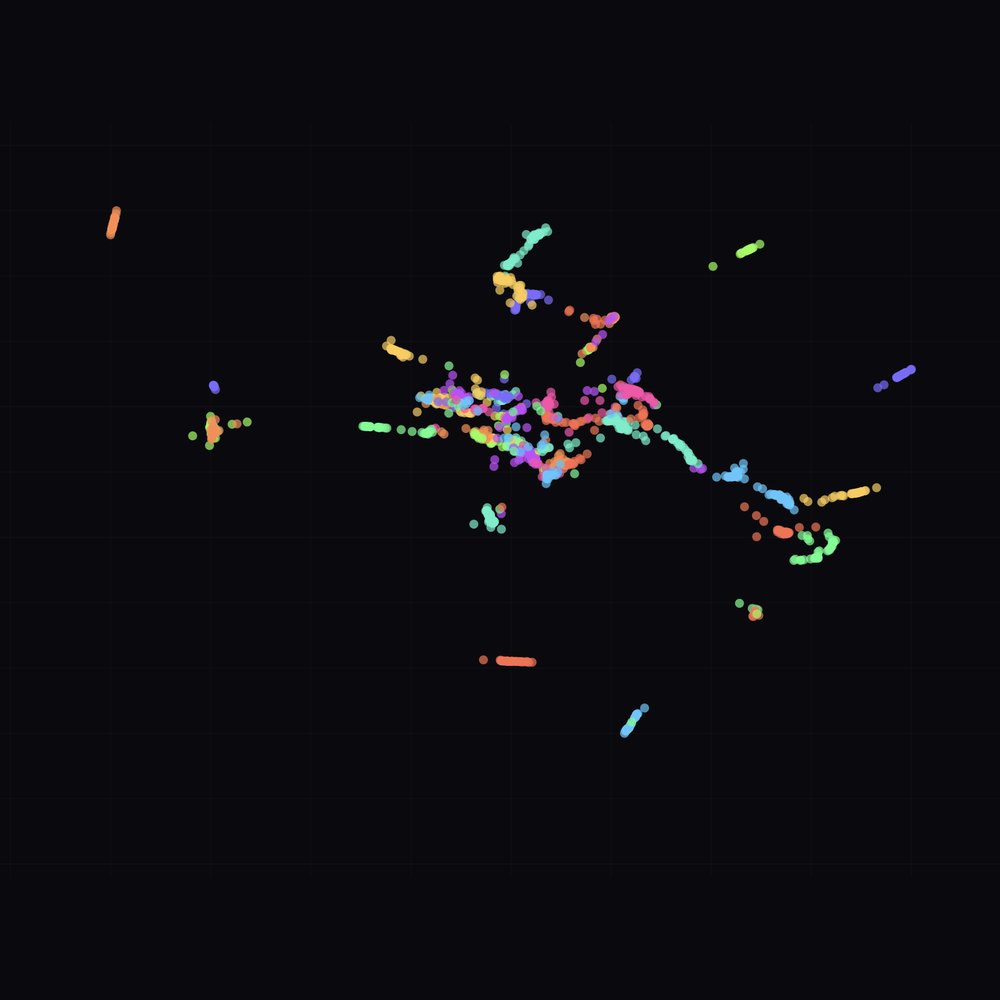
A spectrogram printed as a physical object.Audio Mapper: segments of sound mapped by their acoustic features.
Role
Researcher and teacher
Period
Since 2020
Institutions
Umeå University, University of Gothenburg

Formatfrågor

Format Inquiries

Format Inquiries is a research group on methodological approaches to format studies, led together with Zakayo Kjellström.

Its work is collected in the anthology Formatfrågor, published by Mediehistoriskt arkiv and Kriterium in autumn 2026. The anthology invites scholars to explore the role of format within their specific fields. Throughout the project, the group has engaged in workshops and public lectures highlighting the potential of format perspectives in different academic contexts. During the publishing process, the project has experimented with different printing formats.

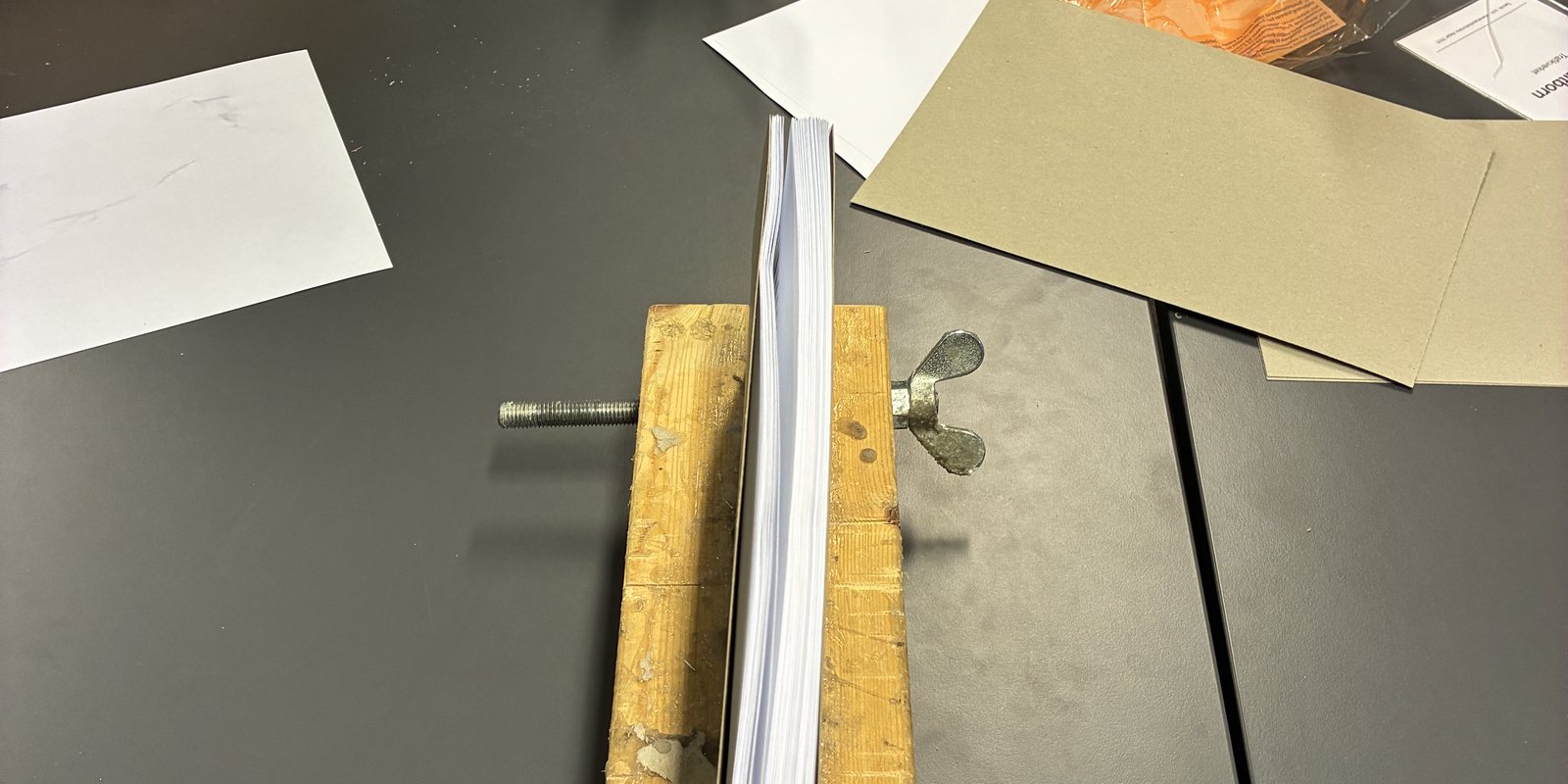
A book block in the press.
Role
Project leader and editor
Period
2023–2026
Team
Zakayo Kjellström, Johan Malmstedt
Institutions
Stockholm, Lund, Uppsala, Gothenburg and Umeå universities
Funding
SLUGU collaboration grant

Soundscapes of Warning

The Past, Present, and Futures of Viktigt Meddelande till Allmänheten (VMA)

How are sounds of warning embedded in social life and in Swedish society? VMA was first launched in 1931 and has since shaped the soundtrack of urban modernity, through radio and television broadcasts and the outdoor sirens popularly known as Hesa Fredrik.

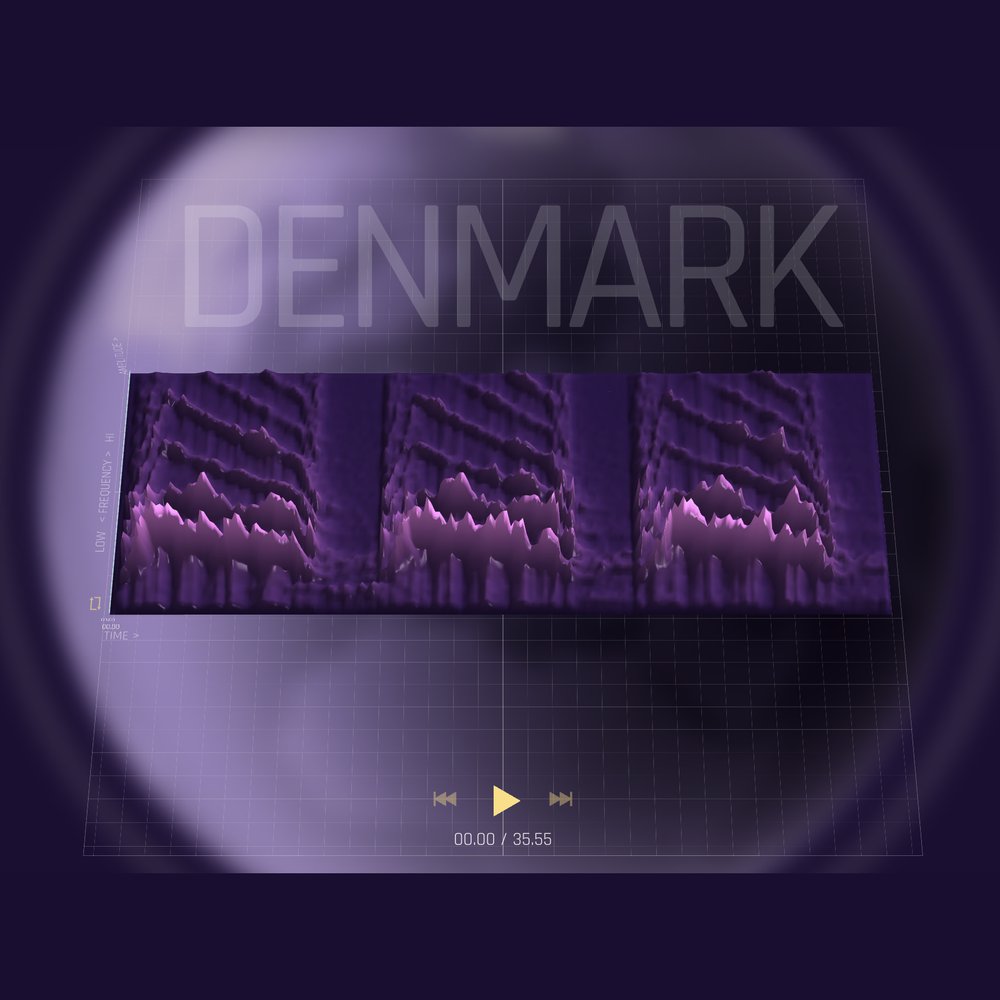
The project traces the intellectual, political, material and cultural development of the Swedish public warning system, with explicit comparisons to surrounding countries and to Denmark in particular.

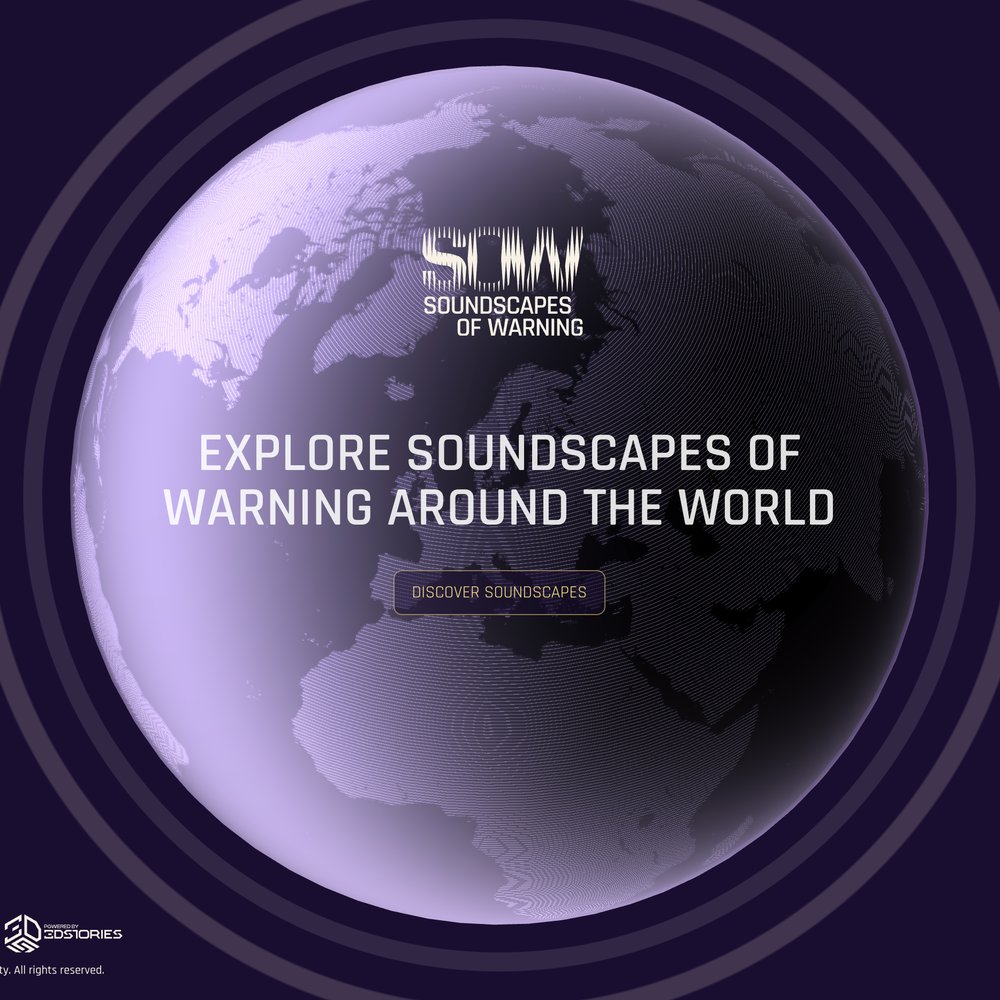
Together with C2DH at the University of Luxembourg, the project has developed an experimental application for exploring how sirens and civil alert signals vary across national and historical contexts.

The Soundscapes of Warning application, developed with C2DH.Spectrogram of the Danish warning signal.
Role
Research designer
Period
2024–2026
Team
Marie Cronqvist (PI), Kirill Mitsurov, Danièle Guido, Johan Malmstedt
Institutions
Linköping University, Lund University, C2DH University of Luxembourg
Funding
Swedish Research Council